Septic System Installation in Helena, MT
Planning a new system, seeing slow drains or wet ground, or want to know what condition your septic system is in? A+ 406 Waterworks keeps each request tied to the service that fits, and gives you a free quote.
- New systems
- Repairs
- Inspections
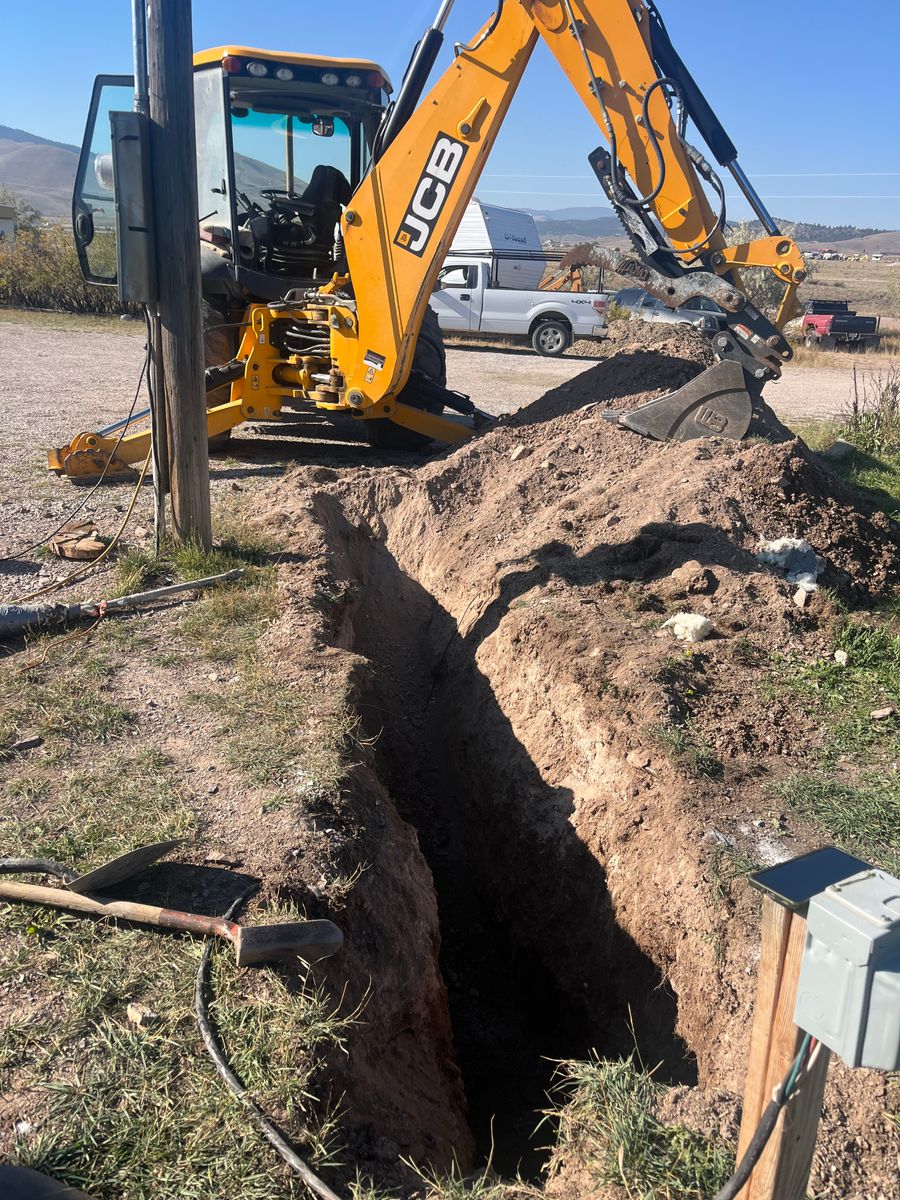
What does septic system installation involve?
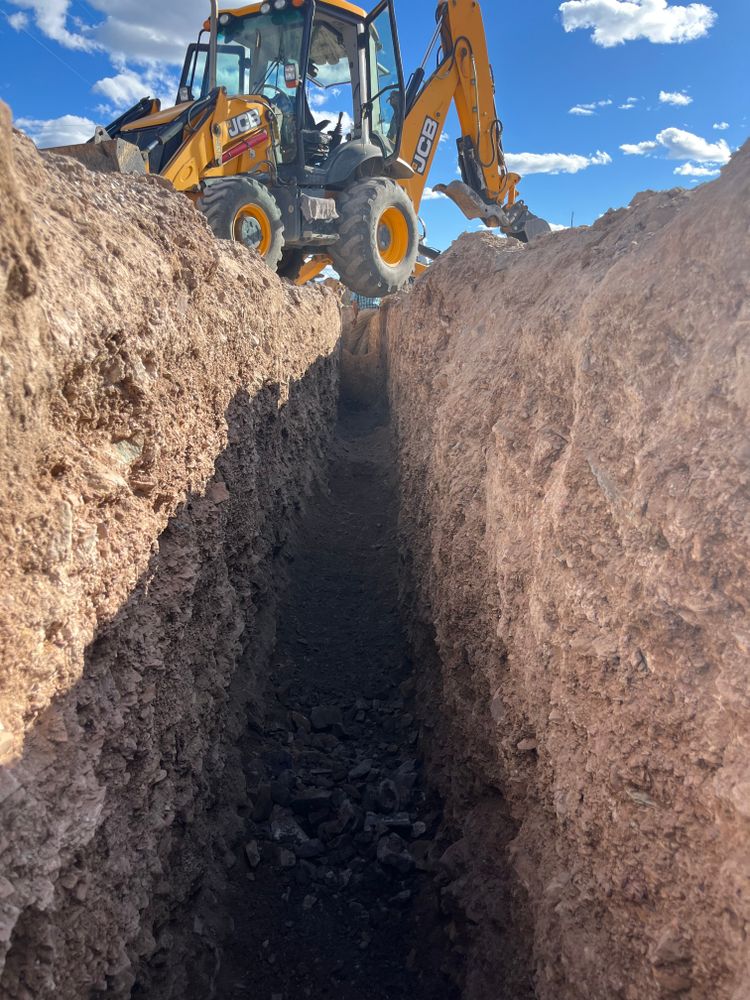
A new septic system has to handle wastewater from the property every day, and poor planning can lead to drainage trouble, backups, wet ground, or costly concerns later. A+ 406 Waterworks provides septic system installation in Helena, MT for property owners who need a new wastewater system built for regular use. We focus on the septic work itself, from preparing for installation through getting the system ready to serve the property, and we explain each stage along the way. If you have an existing system with a problem instead, we offer repair after the issue is identified, so you are not pushed toward a new installation when the concern may be limited. For a new property, you get one clear service path, direct answers, and work centered on the system itself.
Install, repair, or inspect: one clear path each
A septic system needs different service at different points in its life. We keep installation, repair, and inspection separate so you know why one path fits better than another.
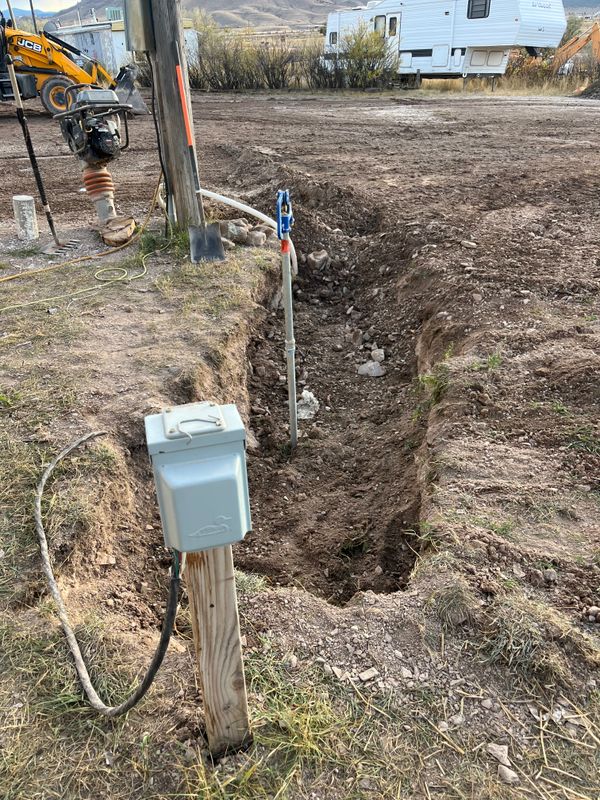
Installation
Creates the system a new property needs for normal wastewater use.
- Preparation based on property needs
- Main septic components set
- Connected to the property's plumbing
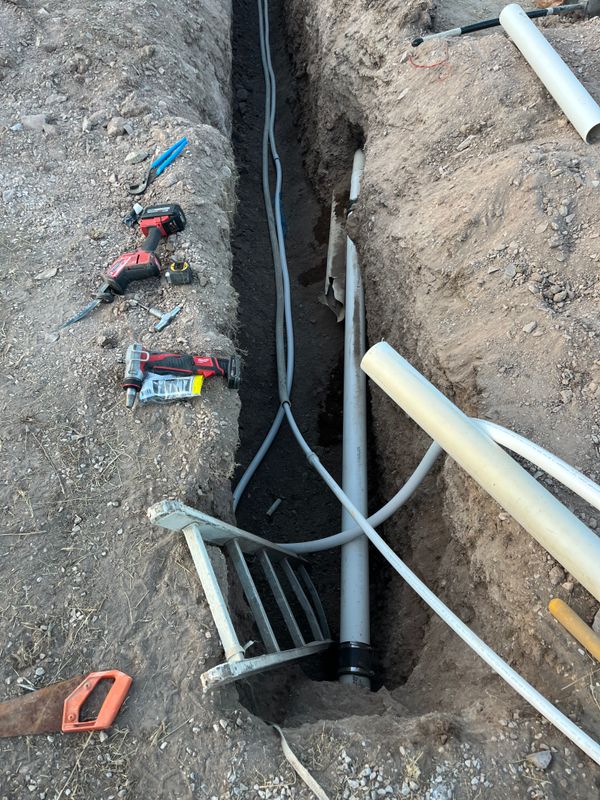
Repair
Addresses a problem in an existing system, focused on the part tied to the symptoms.
- Slow wastewater movement
- Wet ground near system areas
- New odors
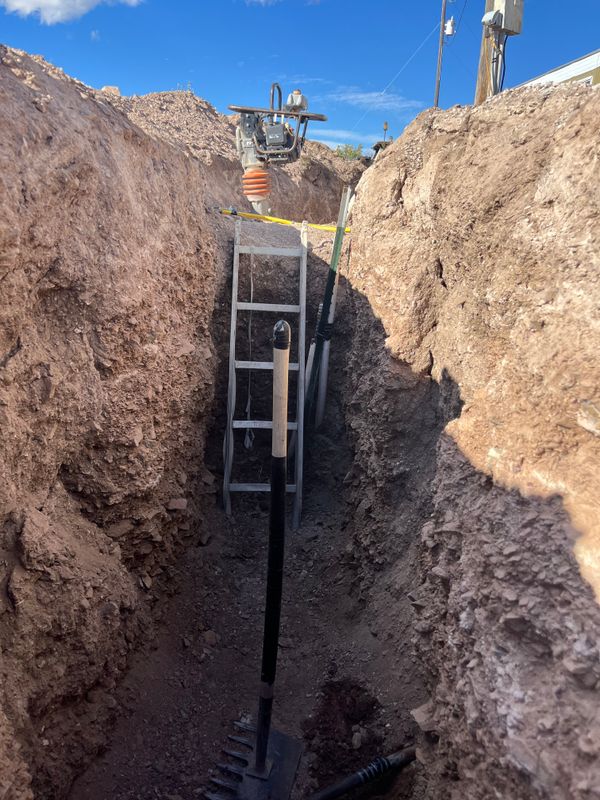
Inspection
A closer look at the system that explains what we can see within the inspection scope.
- Visible signs of a septic problem
- Accessible system areas
- Clear notes on what we found
From first call to finished septic work
You do not have to know what part of the system needs attention before calling.
Tell us your reason for calling
Planning a new system, dealing with a current problem, or wanting a condition check.
We start with what the property shows
We consider the symptoms you report and the system condition within our service scope.
We explain which service fits
Installation, repair, or inspection, in simple terms, before any work is planned.
The work stays on the septic need
You get a free quote, and we do not add unrelated work you did not ask for.
Everyday habits that protect your system
- Know where it isKnow where the tank and drain field are, and keep vehicles and heavy equipment off those areas.
- Spread out water useLarge amounts entering at once strain the system. Space out laundry and other heavy water use.
- Fix leaksLeaking toilets and faucets send extra water into the system, so repair them.
- Mind the disposalA garbage disposal adds solids. Put suitable food waste in the trash or compost instead.
- Keep service recordsSave inspection and pumping dates. Over time they show how fast solids build at your property.
- Leave the lids aloneDo not dig up lids or open the tank yourself. Let a service provider do it.
Watch for sluggish drains, gurgling sounds, lush green grass above the drain field, and foul odors. Several together can point to a problem, so arrange an inspection rather than waiting for a backup.
Septic services across Helena and nearby Montana towns
A+ 406 Waterworks is based in Helena, MT 59602. Bryant Espinoza founded the company in 2025 and brings 35 years of plumbing experience to septic and plumbing work for homes and businesses.
- Insured
- 35 years of plumbing experience
- Rated 5.0 from 10 Google reviews
- Open 24 hours for septic help
Where we work
"Amazing and timely service. Went the extra mile on two different occasions. Fair pricing and personalized service. I give them an AAArating."
Leith Wimmer, Google, Oct 2026
Related services
Septic questions, answered
How do I know if I need a new system, a repair, or an inspection?
A new property that has no system needs installation. An existing system with slow drainage, wet ground, or new odors may need repair, and a condition check helps when you want current information. You do not need to know what part needs attention. Tell us whether you are planning, dealing with a problem, or wanting a check, and we explain which service fits.
Do you give a quote before septic work begins?
Yes. A+ 406 Waterworks gives a free quote, so you can discuss the work and understand the proposed service before you decide. Cost depends on whether the job is a new installation, a repair to an existing system, or an inspection, and on what the system and property require. We do not turn an inspection into automatic repair work.
What should I do if the septic alarm starts sounding?
A septic alarm can mean the liquid level is higher than expected or another part needs attention. Reduce laundry, long showers, and other heavy water use until the cause is checked. Do not open the tank or touch electrical parts connected to the system. If the alarm stays on, arrange an inspection and note when it started and any recent heavy water use or power loss.
Can heavy rain make a septic system act differently?
Yes. Heavy rain can saturate the soil around a septic system and slow wastewater movement. You may notice slow drains, gurgling, or wet ground after several days of rain. Limit extra water use, especially laundry and long showers, and stay off soft ground. If symptoms continue after the weather improves, have the system checked and explain whether the problem appears only after rain.
What should I clear before a septic service visit?
Make sure the work area can be reached safely. Move vehicles and outdoor items that block known access points, keep pets away, and mention any gates or access limits. If you know where the tank or related parts are, share that when scheduling. Do not dig up lids unless asked. Writing down recent symptoms, dates, and changes in use makes the visit more focused.
How often should a septic tank be pumped?
Pumping every 3 to 5 years is a common starting point, but the right timing depends on household size, water use, the amount of solids entering the tank, and tank capacity. A busy household may need service sooner, and a smaller one may go longer. Inspection records show how quickly solids build on your property, so keep dates and notes.
Tell us what you are planning or what has changed
Whether it is a new system, a current problem, or a condition check, we will explain which septic service fits and give you a free quote.