
- Home
- /
- Sewer Line Repair
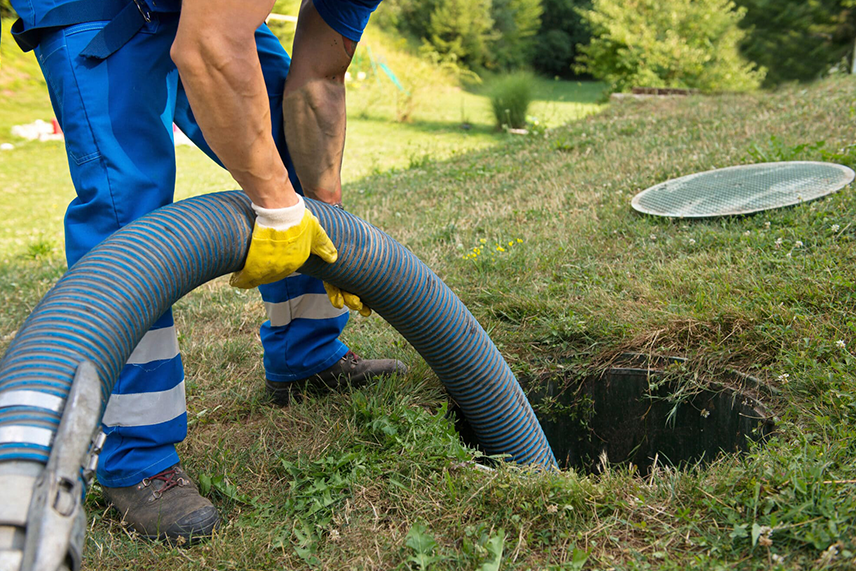
Sewer Line Repair in Helena MT
A sewer problem can affect several drains at once. You may notice repeated backups, slow fixtures, bad odors, or wastewater returning where it should not. A+ 406 Waterworks handles sewer line repair in Helena MT, when the problem points beyond a normal household drain clog. We focus on the sewer line itself and the signs showing where trouble may exist. This helps keep the work tied to the actual source instead of treating each affected fixture separately.
The main sewer line carries wastewater away from your property. Damage along that line can affect toilets, sinks, tubs, and other connected drains. Because of that, we look at how the symptoms appear across the property before discussing repair work. We keep the sewer repair services in Helena MT, centered on the condition affecting wastewater flow.
- Broken or damaged sections that allow wastewater to escape
- Root growth that enters an existing opening in the line
- Collapsed sections that restrict normal wastewater movement
- Pipe damage that causes repeated backups inside the property
A sewer issue should be treated differently from a single clogged sink. The location, pattern, and severity of the symptoms matter.
When the damaged area can be corrected, we handle sewer pipe repair in Helena MT, with attention to that affected section. You get a clear explanation of what needs work and why that repair fits the condition found.
Decide When Replacement Makes More Sense
Repairing a damaged sewer line can be the right choice when the problem stays within a limited section. However, some lines may have damage that affects a larger area. We help you understand that difference before work moves forward. During sewer line repair in Helena MT, we consider whether the damaged part can remain in service after repair or whether a broader change makes more sense.
The goal is not to replace a line simply because one problem appeared. The condition of the pipe should guide the decision. A local break may call for a smaller repair. Repeated failures or a collapsed section may point toward a different level of work. We explain what the line condition means for continued use, so you can make a choice based on the actual sewer problem.
When the affected portion can no longer serve the property properly, sewer line replacement in Helena MT gives you a way to remove that failing section from continued use. Replacement should have a clear reason behind it, especially when the work affects a major wastewater line.
We keep repair and replacement decisions separate because they solve different conditions. One corrects an area that can still be kept in service. The other addresses piping that should no longer remain part of the working sewer line.
For problems involving the primary wastewater route, we can handle main sewer line repair in Helena MT when that line needs direct attention. You receive service based on the condition of the sewer pipe rather than a guess based only on surface symptoms.
Limit Property Disruption During Sewer Work
Sewer line work can affect an important part of your property, so the job should stay focused on the area that needs attention. We provide sewer repair services in Helena MT, for damaged sections without treating unaffected parts of the system as part of the same repair. That approach helps keep the scope connected to the sewer problem that brought you to us.
The location of the damage matters. A failed section closer to the building may create different symptoms from damage farther along the line. Root entry, breaks, or collapsed areas can change how wastewater moves. We use the condition found to guide what work should be considered.
- Keep work centered on the damaged sewer section
- Avoid adding unrelated plumbing work to the repair
- Explain how the affected section relates to your symptoms
- Match the repair choice to the condition of the pipe
When the line can still be corrected, we provide sewer line repair in Helena MT, with the goal of restoring proper wastewater movement through that section. This lets you address the failed area without assuming the entire sewer line must be replaced.
Some sewer problems can continue getting worse as the damaged section changes. That is why repeated backups or wastewater trouble should not become a normal part of property use.
When you need reliable sewer repair in Helena MT, we keep the conversation focused on the sewer line, the damage present, and the work needed to correct it. You know why the service is being recommended before making your decision.
Call Before Sewer Damage Spreads Further
Sewer line problems can interrupt much more than one fixture. A damaged main line may affect bathrooms, kitchens, utility areas, or other drains connected to the same route. If you are searching for sewer line repair near me, A+ 406 Waterworks can help you address the sewer problem without turning it into unrelated plumbing work.
Waiting can make daily use harder when backups keep returning. You may start avoiding certain fixtures or limiting water use because you do not know when wastewater will rise again. That is a sign the underlying problem needs attention rather than another short-term response.
We offer the best sewer line repair in Helena MT to fix the damaged section so the sewer line can carry wastewater as intended. We explain what we find, what part needs attention, and whether repair or replacement fits the condition better.
A sewer pipe that has failed in one area may need a direct repair. A section with wider damage may need a different response. That is why the condition of the pipe matters more than assuming every sewer problem needs the same type of work.
If the affected section can be corrected, sewer pipe repair may provide the work needed without replacing more line than necessary. The final choice should reflect what the sewer pipe actually needs.
Call A+ 406 Waterworks at (406) 720-5585 when your sewer line shows signs of damage. We can discuss the problem, explain the service options, and provide a free quote before work begins.
Why choose Us
FAQ's
A washing machine sends a large amount of wastewater into the drain system within a short period. If the sewer line has a restriction or damaged area, that sudden flow may expose the problem. Other fixtures may appear normal because they release less water at once. Homeowners should stop heavy water use if wastewater starts backing up into a floor drain, tub, or other fixture. Note where the backup appears and whether it happens every wash cycle. Those details can help a plumber determine whether the issue relates to the main sewer path rather than the washing machine itself.
Unusual wet ground above a sewer route can have several causes, including irrigation, rain, groundwater, or a leaking wastewater line. A sewer problem becomes more likely when the wet area appears with odor, slow drains, or repeated indoor backups. Homeowners should avoid digging into the area without knowing what utilities are present below ground. They should note whether the wet spot remains during dry weather and whether its size changes after heavy indoor water use. Those observations can help during inspection. A damaged sewer pipe may release wastewater underground even when no visible backup has appeared inside the property.
Several toilets gurgling together can point to a drainage issue beyond one fixture. Air may be moving through the system differently because wastewater is meeting resistance farther along the sewer path. The sound alone does not prove a broken line, but the pattern matters. Homeowners should watch for slower drains, water movement in nearby fixtures, or sewage odors. If several parts of the property react together, sewer line repair may become necessary after the cause is confirmed. Avoid assuming each toilet has a separate problem when all of them begin showing the same change around the same time.
Drain cleaning can remove a blockage inside the line, but it cannot correct every form of pipe damage. If a sewer section is cracked, collapsed, or affected by root entry, another blockage may form later. The time between problems can provide useful information. A backup that returns quickly after cleaning deserves closer attention than one caused by a one-time obstruction. Homeowners should keep any service records and note which fixtures were affected before and after cleaning. That history can help determine whether the repeating issue points to a damaged sewer pipe rather than another simple clog inside the drainage system.
An outdoor sewage odor may come from several sources, so the location and timing matter. If the smell stays near the sewer route or becomes stronger after heavy water use, a wastewater problem may need inspection. However, odor alone cannot confirm that a sewer pipe is broken. Homeowners should check whether wet soil, unusual grass growth, or drainage changes appear in the same area. They should avoid opening or disturbing sewer components without knowing their condition. If the odor keeps returning during dry weather, a plumber can inspect the sewer system and determine whether a damaged section may be allowing wastewater or gas to escape.
A low or sinking area above a sewer route can sometimes form when soil conditions change below the surface. A leaking or damaged sewer line may contribute, but other causes can create similar ground movement. The area should not be treated as proof of pipe failure without inspection. Homeowners should note whether the depression is growing, whether the soil stays wet, and whether sewer symptoms appear indoors. Heavy equipment should be kept away from questionable ground until the cause is clearer. A plumber can assess whether the sewer line may be involved and whether further work is needed around the affected section.
A basement floor drain may sit lower than many other fixtures, so wastewater can appear there when the sewer line cannot carry flow away properly. This can happen during heavy indoor water use or when a main line problem becomes severe. Stop using water if sewage is actively entering the basement. Avoid direct contact with wastewater because it can contain harmful germs. Keep children and pets away from the affected area. Note which fixtures were running before the backup started. A plumber can use that information to determine whether the problem is within the main sewer path and what service is appropriate.